
Introduction
Some daily duties like waste removal are often neglected until they become a problem. Bins that are too full, bad smells, bugs, or not knowing where to put particular things may rapidly make a home uncomfortable. In addition to being a pain, throwing away waste the wrong way may have very bad effects on health, the environment, and the people who live in the area. Home waste responsibility goes beyond cleanliness. Smart, aware actions that benefit the environment and create less harm are also important. This article shows householders how disposing of waste properly may keep their homes safe and help the environment.
Understanding Household Waste and Its Impact
Modern living, convenience, and routines affect household garbage. Waste affects land, water, air, and animals after being disposed of. Plastics collect for years, organic garbage decomposes and releases gasses, and chemicals can enter soil and rivers. Recognizing household waste’s long trip fosters sensible conduct among homes. Knowing how garbage affects things makes people more responsible and makes throwing away trash an important aspect of taking care of the environment instead of just a job. Skip hire Tameside offers reliable and convenient waste removal solutions for residential and commercial projects.
Safe Disposal of Hazardous Household Waste
Hazardous waste is commonly hidden in households. Cleaning, maintenance, and health products might include poisonous compounds that are dangerous if discarded improperly. Chemicals down drains and batteries in the garbage can pollute and harm health. Responsible homeowners detect and dispose of hazardous garbage. This safeguards sanitation personnel, prevents environmental pollution, and securely handles hazardous materials.
Composting Organic Waste at Home
Instead of being a problem, organic waste is an opportunity. You can turn food leftovers and yard trash into nutrient-rich material by composting them. This procedure helps make the soil healthier and cuts down on the amount of trash that goes to landfills. Composting is a natural and satisfying approach for people to deal with organic waste that also helps gardens and other green places. Even little composting projects may cut down on the amount of trash and encourage people to live in a way that is better for the environment.
Managing Construction and Renovation Waste
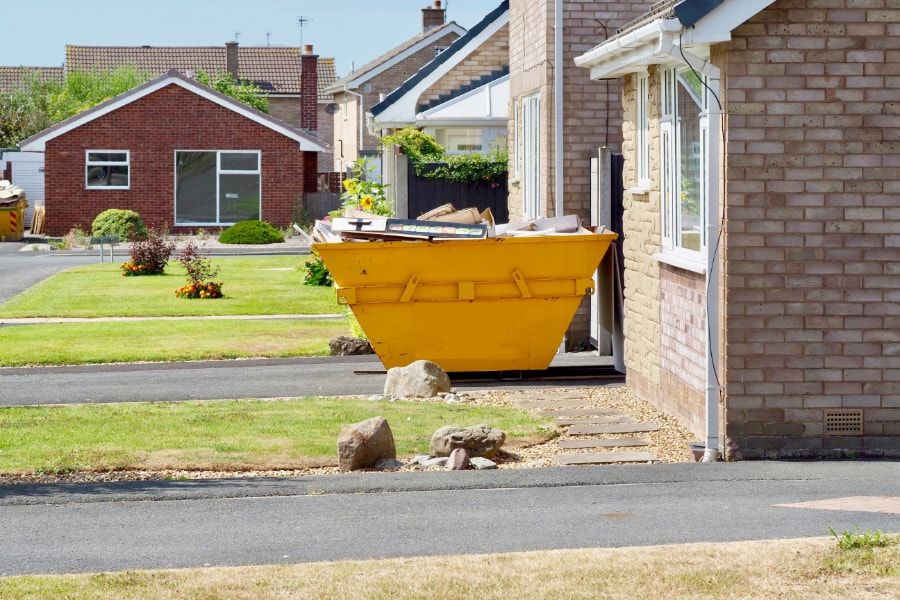
Home renovation initiatives typically squander more than intended. Broken items, packing, and garbage may rapidly clutter a home. Renovation trash may be a health and environmental risk without proper disposal. Reputable homeowners separate useful items and arrange disposal of remodeling garbage. Managing this garbage carefully organizes projects, lowers environmental effect, and meets municipal disposal criteria.
Reducing Waste Through Conscious Consumption
The best waste management plan starts before garbage is generated. Conscious consumerism makes homeowners consider what they buy, how frequently they replace it, and packaging. Reusable options, durability over convenience, and repair over replacement decrease waste. These choices enhance conscious living and reduce environmental impact. Waste reduction at its source helps homeowners to limit consumption and reduce disposal.
Safe Storage and Handling of Waste
Waste disposal requires waste storage, which is often overlooked. Unsanitary waste can create odors, infections, and pests. Cleaning, utilizing safe containers, and putting items away regularly maintain your home health. Cleaning and maintaining items properly prevents chemical exposure and keeps homes clean. Safe domestic trash storage keeps rubbish in one location and easy to handle until it’s thrown away.
Understanding Local Waste Disposal Regulations
Local laws regulate waste disposal for public health and the environment. These standards govern garbage sorting, collection, and processing. Homeowners that violate these rules face penalties and trash management inefficiency. Homeowners may appropriately dispose of rubbish by knowing local restrictions. Compliance promotes people and society sustainability and waste efficiency.
Encouraging Sustainable Waste Habits at Home
It works best when everyone in the house throws out rubbish. Encouragement of similar actions helps family members feel accountable for each other. Education, consistency, and example can help people adopt durable habits. When everyone helps, waste management becomes a habit. These practices change community behavior and increase environmental awareness.
Conclusion
Stay dedicated to safe and appropriate waste disposal at home. Homeowners may make a great impact by learning about household rubbish, sorting it, being careful with hazardous and technical waste, and adopting waste-reducing choices. Careful storage, understanding local laws, and family participation strengthen these efforts. Home health, neighborhood cleanliness, and sustainability result from responsible waste management. By doing things intentionally every day, householders may protect the environment and live ethically.
Frequently Asked Questions (FAQ)
1. Why is safe and responsible waste disposal important for homeowners?
Safe and responsible waste disposal helps protect the environment, prevents health risks, reduces pollution, and ensures compliance with local waste management regulations.
2. What types of waste should homeowners separate at home?
Homeowners should separate general household waste, recyclable materials, organic or food waste, hazardous waste, and electronic waste to ensure proper disposal and recycling.
3. How should hazardous household waste be disposed of safely?
Hazardous waste such as batteries, paints, chemicals, and cleaning agents should be taken to designated collection centers or special disposal programs rather than being thrown in regular trash.
4. What is the correct way to dispose of electronic waste at home?
Electronic waste like old phones, laptops, and appliances should be recycled through authorized e waste collection facilities or recycling drives to prevent environmental damage.
5. Can food waste be managed responsibly at home?
Yes, food waste can be composted at home or disposed of through organic waste collection systems, reducing landfill waste and creating useful compost.
6. How can homeowners reduce the amount of waste they produce?
Homeowners can reduce waste by choosing reusable products, avoiding single use items, buying in bulk, repairing items when possible, and recycling consistently.
7. Is it safe to burn household waste?
Burning household waste is unsafe and harmful, as it releases toxic fumes and pollutants into the air and is often prohibited by law.
8. What should be done with construction or renovation waste?
Construction and renovation waste should be sorted and disposed of through authorized waste management services that handle debris, wood, metal, and other materials responsibly.
9. How can homeowners stay informed about local waste disposal rules?
Homeowners can check local municipal guidelines, community notices, or official waste management resources to stay updated on proper disposal methods and schedules.
10. What are the long term benefits of responsible waste disposal?
Responsible waste disposal leads to a cleaner home environment, reduced health risks, environmental protection, and a more sustainable future for communities.
Read more : https://pintxt.com/news/