
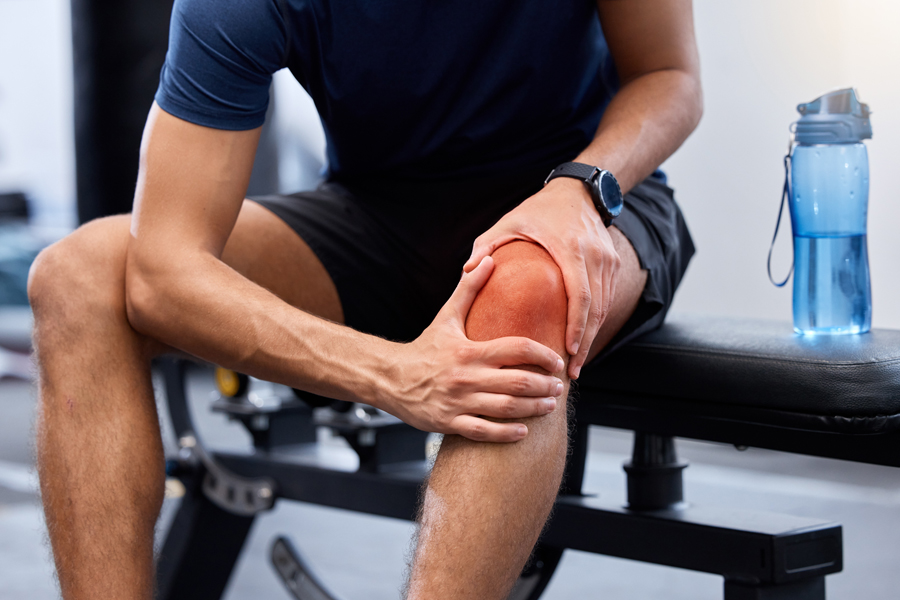
Athletes push through strain, discomfort, and fatigue even as they chase development. Smart ache comfort techniques assist them in living consistently, confidently and competitively. From hands-on care to each day’s healing habits, those procedures assist the frame even as they keep overall performance consistent and sustainable.
Sports Massage Therapy
After worrying about education periods, tight muscle mass regularly protests loudly. Sports rubdown remedy calms that noise via managed strain and consistent actions that loosen up strained tissue. Circulation improves, knots soften, and lingering discomfort slowly fades. Many athletes depend on this technique for bodily comfort and intellectual ease. When anxiety builds from repetitive movement or heavy workouts, centered periods, which include sports massage ashford kent provide reliable comfort. The frame feels lighter afterwards, motion will become smoother, and healing will not look like an uphill battle.
Targeted Physiotherapy Care
Targeted physiotherapy care specialises in precise trouble regions instead of well-known discomfort. Through guided exercises, hands-on techniques and posture correction, athletes find out how their bodies flow and in which strain builds up. Small imbalances are corrected earlier than they worsen. Over time, motion will become better managed and more confident. This technique helps recuperation even as it lowers the danger of routine ache. Instead of pushing blindly via discomfort, athletes benefit from clarity, permitting education periods to feel efficient instead of punishing or uncertain.
Active Muscle Recovery
Active muscle healing continues, the frame lightly shifting even as recuperation takes place. Light sports, which include walking, cycling, or swimming, preserve flow without overloading worn-out muscle mass. This consistent movement allows lessening stiffness and discomfort after severe periods. Stretching exercises additionally play a role, easing anxiety and restoring comfort. Athletes regularly be aware that staying gently lively shortens healing time. Muscles reply more to motion than to whole rest, making this technique a dependable way to live unfastened and prepared.
Injury Prevention Methods
Preventing accidents saves athletes from lengthy breaks and frustration. Proper warm-ups put together muscle mass for effort, even as cool-downs assist them in loosening up afterwards. Strength education helps joints through balancing muscle groups, lowering choppy strain. Good method additionally matters, due to the fact that bad motion styles invite discomfort. Regular tests spotlight weaknesses earlier than an ache appears. By staying proactive, athletes defend their development and keep away from setbacks that interrupt exercises, confidence, and lengthy-time-period overall performance goals.
Pain Management Techniques
Pain control strategies assist athletes in coping while pain appears. Ice reduces swelling after excessive activity, at the same time as warmness relaxes tight muscle groups earlier than motion. Controlled respiration lowers pressure levels, supporting the frame to settle. Supportive taping gives balance throughout schooling, easing pressure on inclined areas. Some athletes additionally use rest practices to address continual pain. Together, those strategies lessen inflammation and preserve athletes’ focus, permitting them to teach with readability in preference to regular distraction.
Mobility Enhancement Practices
Mobility enhancement practices assist in achieving unfastened motion through retaining joints that are bendy and muscle groups that are responsive. Dynamic stretches put together the frame earlier than activity, and at the same time as yoga or float sporting activities, they enhance a variety of motion. When mobility improves, actions feel smoother and much less forced. This reduces compensations that regularly cause pain elsewhere. Athletes whose paintings focus on mobility often record fewer aches and faster restoration. Flexible joints and supple muscle groups take care of pressure better, making day-by-day schooling make greater sense and more cushy and controlled.
Strength Restoration Strategies
Strength healing techniques rebuild electricity after damage or heavy workloads. Gradual resistance sporting activities reactivate muscle groups that weaken because of relaxation or ache. Controlled actions repair balance, supporting athletes to believe in their bodies again. As power returns, stability improves and pressure on joints decreases. This constant rebuilding segment helps long-term resilience. Rather than dashing again into excessive sessions, athletes develop carefully, growing a more potent basis that helps regular overall performance and lowers destiny damage risks.
Conclusion
Pain remedy strategies assist athletes in training smarter, now no longer harder. Through restoration care, motion habits, and preventive routines, pain turns manageable. Listening to the frame and responding with care helps consistency, confidence and lasting overall performance throughout annoying athletic journeys.
Frequently Asked Questions (FAQs)
1. Why do athletes need pain relief techniques?
Athletes put constant stress on their bodies through intense training and competition. Pain relief techniques help manage muscle soreness, reduce inflammation, prevent injuries, and support faster recovery, allowing athletes to perform consistently at their best.
2. What are the most common pain relief techniques used by athletes?
Common techniques include stretching, ice and heat therapy, massage therapy, foam rolling, compression therapy, proper rest, and recovery-focused exercises. Many athletes also rely on nutrition, hydration, and mental relaxation methods to reduce pain.
3. How does ice therapy help athletes manage pain?
Ice therapy helps reduce swelling, inflammation, and muscle pain after intense workouts or injuries. It is especially effective for acute injuries and post-training recovery by numbing sore areas and slowing tissue damage.
4. When should heat therapy be used instead of ice?
Heat therapy is best used for muscle stiffness, chronic pain, or tight muscles. It improves blood circulation, relaxes muscles, and enhances flexibility, making it ideal before training or during recovery from long-term muscle tension.
5. What role does stretching play in pain prevention and relief?
Stretching improves flexibility, reduces muscle tightness, and helps prevent strains. Dynamic stretching is commonly used before workouts, while static stretching is effective after training to ease soreness and promote recovery.
6. Is massage therapy beneficial for athletic pain relief?
Yes, massage therapy helps relieve muscle tension, improve circulation, and reduce soreness. Sports massages can also speed up recovery and improve range of motion, making them a popular choice among professional athletes.
7. How does proper recovery improve athletic performance?
Recovery allows muscles to repair and grow stronger. Adequate sleep, rest days, and recovery techniques reduce fatigue and lower injury risk, leading to better endurance, strength, and overall performance.
8. Do athletes use mental techniques to manage pain?
Yes, techniques such as mindfulness, breathing exercises, and visualization help athletes cope with pain and stress. Mental focus and relaxation can reduce perceived pain and improve concentration during performance.
9. Can nutrition help reduce pain and inflammation in athletes?
Proper nutrition plays a key role in pain management. Anti-inflammatory foods, sufficient protein intake, and proper hydration support muscle recovery, reduce soreness, and enhance overall physical resilience.
10. Are pain relief techniques safe to use regularly?
Most non-invasive techniques like stretching, massage, and cold therapy are safe when used correctly. However, athletes should consult healthcare or sports professionals before using medications or advanced treatments regularly.
Read more : https://pintxt.com/news/